
Netflix is now the company that spends billions making shows, streams video to hundreds of millions of people, sells advertising, runs live events, and would presumably like you to forget your cousin’s password.
I still think the smartest product Netflix ever created was a red paper envelope.
The DVD-by-mail business looks almost comically old now. Pick a movie on a website, wait for the Postal Service to bring it to your house, watch it, put it back in an envelope, mail it away, then wait for another one.
Streaming gives you a movie in seconds. The envelope could take days.
Yet those envelopes solved the problems Netflix actually needed to solve at the time. More importantly, they taught the company nearly everything it later needed to dominate streaming.
Netflix shipped its first DVD in 1998 and its final one on September 29, 2023. Twenty-five years is a long life for something that eventually became an afterthought inside its own company, as Netflix noted when it said goodbye to DVD rentals.
I think the red envelope deserves more credit.
Netflix Made Renting a Movie Less Annoying
To appreciate early Netflix, you have to remember what renting a movie used to involve.
You drove to a video store. You walked around looking at boxes. The movie you wanted might already be gone. Then you brought something home and had to remember when it was due.
Forget, and you paid a late fee.
Netflix originally launched in 1998 as an online DVD rental store. Customers chose discs online, and Netflix mailed them out.
According to its original launch announcement, the company promised delivery within two to three days across the United States.
The bigger idea arrived soon afterward.
In December 1999, Netflix introduced a subscription plan called Marquee that removed due dates and late fees.
By February 2000, it was offering unlimited DVD rentals for $19.95 per month, with customers able to keep several discs at home and receive another after returning one. Netflix described the shift when it eliminated late fees and due dates.
That sounds normal because subscriptions now own half our monthly bank statements.
In 2000, it was a much stranger proposition.
Netflix had turned movie rental from a series of transactions into an ongoing service.
That change mattered more than the envelope itself.
The Queue Was Quietly Brilliant
Older Netflix customers will remember the queue.
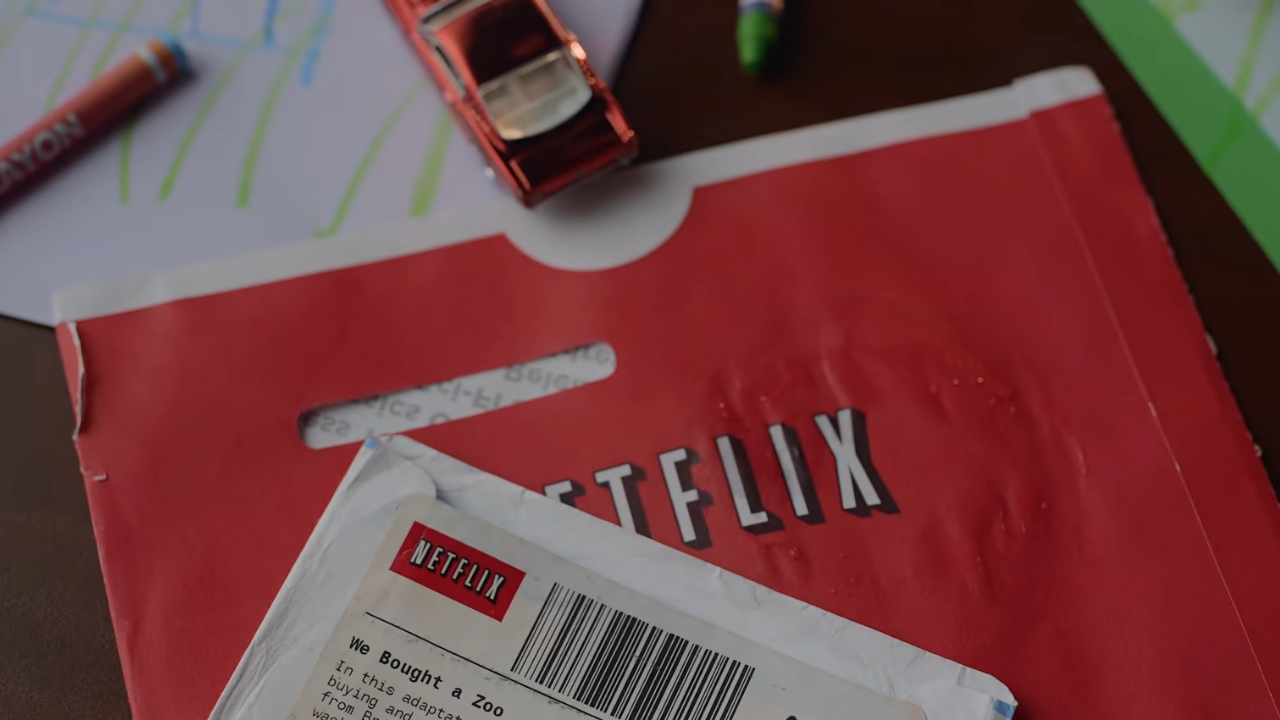
You browsed the website, found movies you wanted to see, and arranged them in a list. Return one DVD, and Netflix sent another title from that list.
No second shopping trip. No starting over every Friday night.
Netflix had already described an automatic replenishment system in 1999, allowing subscribers to create a list of DVDs that could be sent as previous rentals came back.
The queue did something clever psychologically.
Netflix stopped asking, “Do you want to rent a movie today?”
Instead, it asked, “What would you like to watch eventually?”
That is a much easier question.
You could add ten movies while thinking about movies once. Netflix handled the rest.
Modern streaming watchlists inherited the same basic idea, although I’d argue the old queue had one advantage. Something actually happened when you put a movie in it.
Add a film to a streaming watchlist today, and there is a respectable chance it will remain there until the service loses the rights to it.
The DVD queue eventually mailed the thing to your house.
The Envelope Created a Habit
Netflix also understood something that technology companies remain obsessed with today.
A service becomes stronger when people keep coming back without having to make a fresh purchasing decision every time.
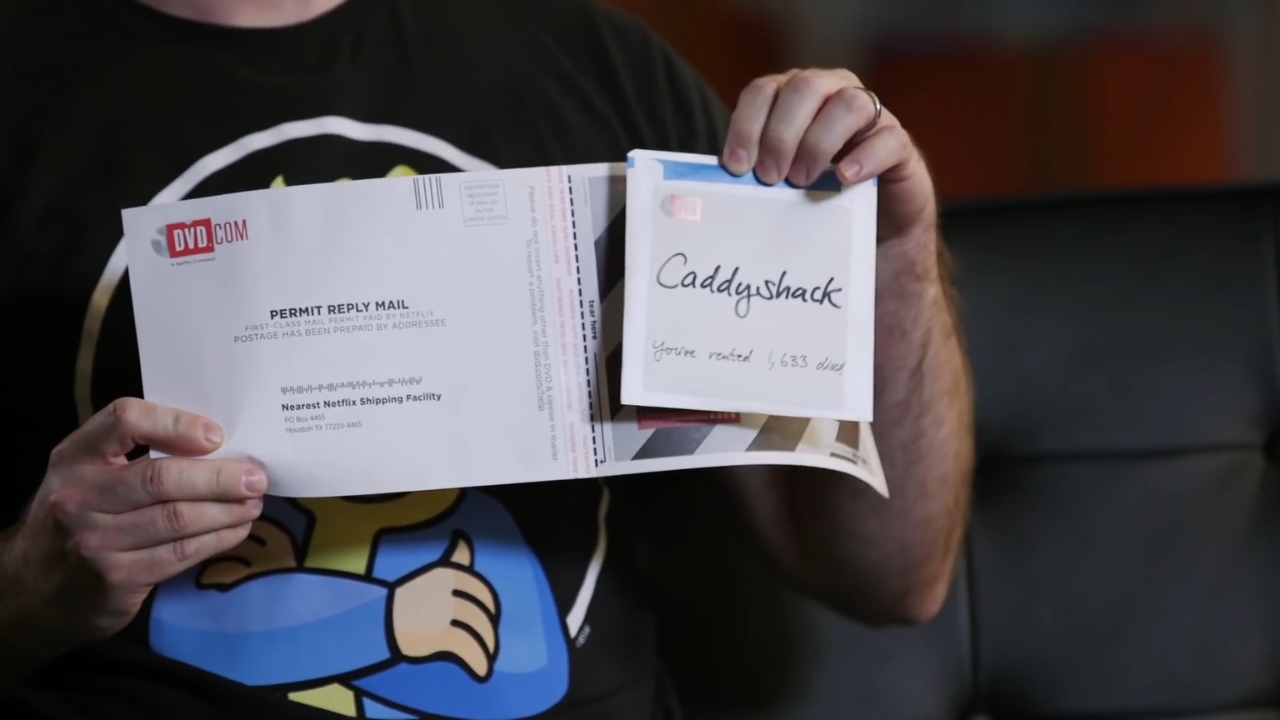
The red-envelope system created a loop.
Watch a movie. Mail it back. Receive another movie. Repeat.
Each returned disc triggered the next part of the experience.
There was even a tiny bit of anticipation involved. You knew another movie was coming, and opening the mailbox had a reward attached to it.
Streaming removed the wait, which is objectively more convenient. It also removed some of the ceremony.
I’m not suggesting Netflix should start mailing Stranger Things to people on 47 DVDs. We have moved on for good reason.
Still, the physical service gave Netflix a place in the household before smart TVs and streaming sticks could do the same job.
At its peak, the scale was enormous. The U.S. Postal Service says Netflix was shipping about 900 million DVDs a year by 2009, representing 1.3% of all U.S. mail.
DVD subscriptions later peaked at more than 14 million in 2011, according to the Postal Service’s retrospective.
That is a remarkable amount of entertainment traveling around in little red rectangles.
Netflix Was Learning What You Liked
The other important piece lived on the website.
Netflix was already recommending movies years before streaming became its main business.
Its Cinematch recommendation system used customer ratings and viewing preferences to predict which other films someone might enjoy. Netflix was promoting personalized movie recommendations around the turn of the millennium.
View this post on Instagram
That matters because Netflix was never simply mailing plastic discs.
It was building a direct relationship with viewers.
A traditional video store knew what was on its shelves. Netflix could learn what individual customers wanted, what they rated highly and what they planned to watch next.
That knowledge became far more valuable once the delivery mechanism changed.
The envelope disappeared. The relationship remained.
Then Netflix Started Delivering Movies Through the Internet
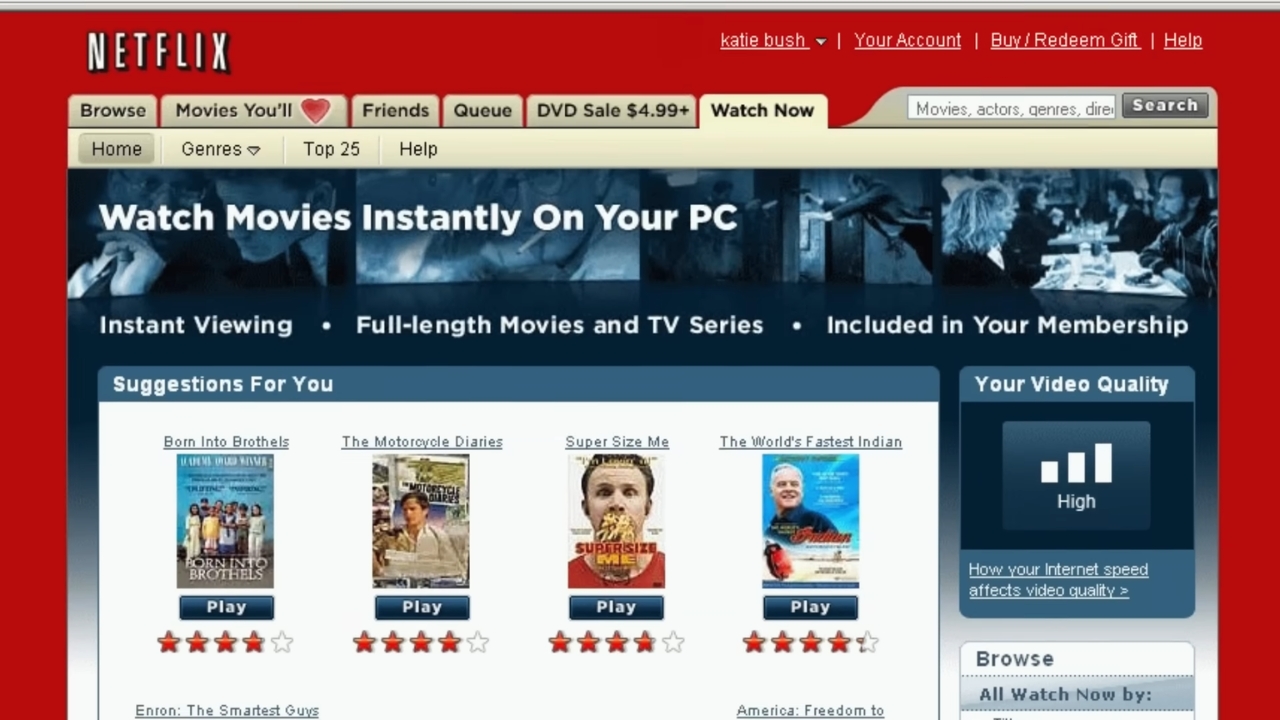
Netflix introduced its “Watch Now” streaming feature in 2007.
Early streaming Netflix looked nothing like the service people know now. The launch library contained roughly 1,000 titles, and viewing time was initially tied to subscription plans.
Netflix’s DVD catalog, meanwhile, had grown beyond 70,000 titles. The company outlined the original service when it introduced instant watching.
Streaming clearly had the better long-term economics.
Mailing a DVD requires a physical disc, an envelope, postage, sorting facilities and transportation.
Sending one more stream over the internet does not require someone to put The Departed into a mailer.
The direction was obvious.
What interests me is how little Netflix had to change about the underlying customer proposition.
Choose something at home.
Pay Netflix every month.
Let Netflix remember what you like.
Keep watching.
Streaming dramatically improved the delivery part. Most of the business relationship was already there.
Netflix helped make internet video a normal part of television. Today, YouTube’s dominance of U.S. TV viewership shows just how much that shift has changed the industry.
DVDs Had One Advantage Streaming Still Struggles With
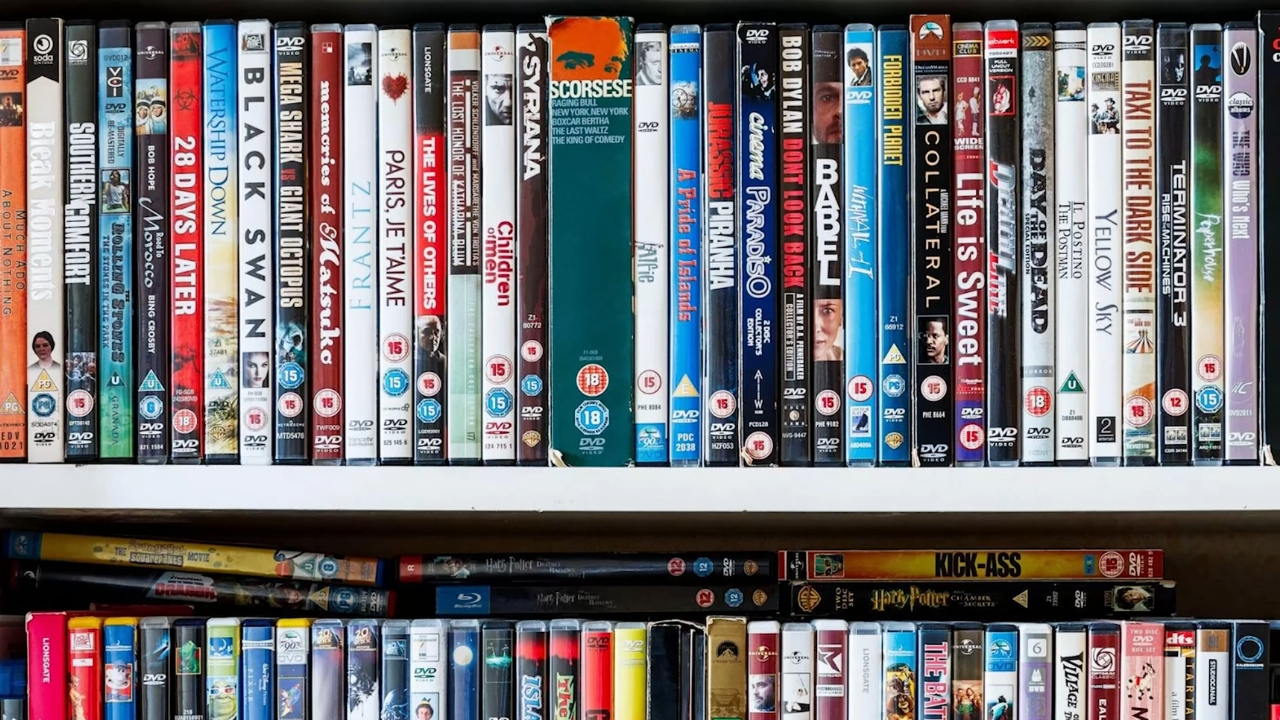
There is one part of the DVD service that looks surprisingly good from 2026.
Selection.
Streaming libraries depend on licensing agreements. Movies appear, disappear and move between services because somebody owns the rights and somebody else is willing to pay for them.
Physical DVDs were much simpler.
As late as 2020, the Postal Service reported that Netflix’s DVD library exceeded 100,000 titles, while industry estimates placed its U.S. streaming catalog at roughly 5,000.
The comparison appeared in a Postal Service feature on Netflix’s DVD operation.
That gap explains why some customers kept the DVD service long after streaming became normal.
They could actually find things.
Modern streaming gives us instant access to huge amounts of entertainment while somehow making one specific 17-year-old movie surprisingly difficult to watch.
Progress has a sense of humor.
The Best Netflix Product Was the One Built to Disappear
Netflix finally mailed its last DVDs in September 2023. By then, keeping the operation alive no longer made much business sense.
On September 29th, 2023, we will send out the last red envelope. It has been a true pleasure and honor to deliver movie nights to our wonderful members for 25 years. Thank you for being part of this incredible journey, including this final season of red envelopes. https://t.co/9lAntaL2ww
— DVD Netflix (@dvdnetflix) April 18, 2023
Netflix said the shrinking business had become increasingly difficult to maintain when it announced the final DVD season.
Ending it was logical.
Still, Netflix should probably keep one of those red envelopes framed somewhere very expensive.
The DVD service established the subscription. It trained customers to manage entertainment online. It created the queue.
It gave Netflix years of recommendation data. It built a direct customer relationship. It proved people would let one company continuously decide what arrived next.
Then broadband became fast enough for Netflix to remove the envelope from the process.
That is why I think the red envelope was Netflix’s best product.
It solved a very physical problem while quietly preparing the company for a digital business.
Plenty of technology companies build products they desperately hope will last forever.
Netflix built one that became successful enough to make itself obsolete.
That might be the cleverest thing it ever shipped.