
Before buying a ticket to the latest franchise movie, there’s apparently an important question to answer: “How caught up are you?”
Do I need to watch three earlier films? Did anything important happen in the television spin-off? Which version of this character survived the multiverse? Is there a recommended viewing order?
Studios have trained audiences to approach entertainment like a qualification exam. An evening at the cinema now begins with revision.
The extraordinary part is how successfully the industry has sold this arrangement. The audience supplies the time, pays for the lessons, and celebrates when the exam includes a familiar face.
The Night Nick Fury Recruited the Audience
The change has a useful landmark: the end of Iron Man in 2008.
Tony Stark had already completed a satisfying adventure. Then Nick Fury appeared after the credits and mentioned the Avengers Initiative. In a few seconds, Marvel suggested that the film belonged to a larger fictional world.
It was an inspired trick. Audiences could imagine superheroes eventually colliding, and Marvel had a reason to bring them back.
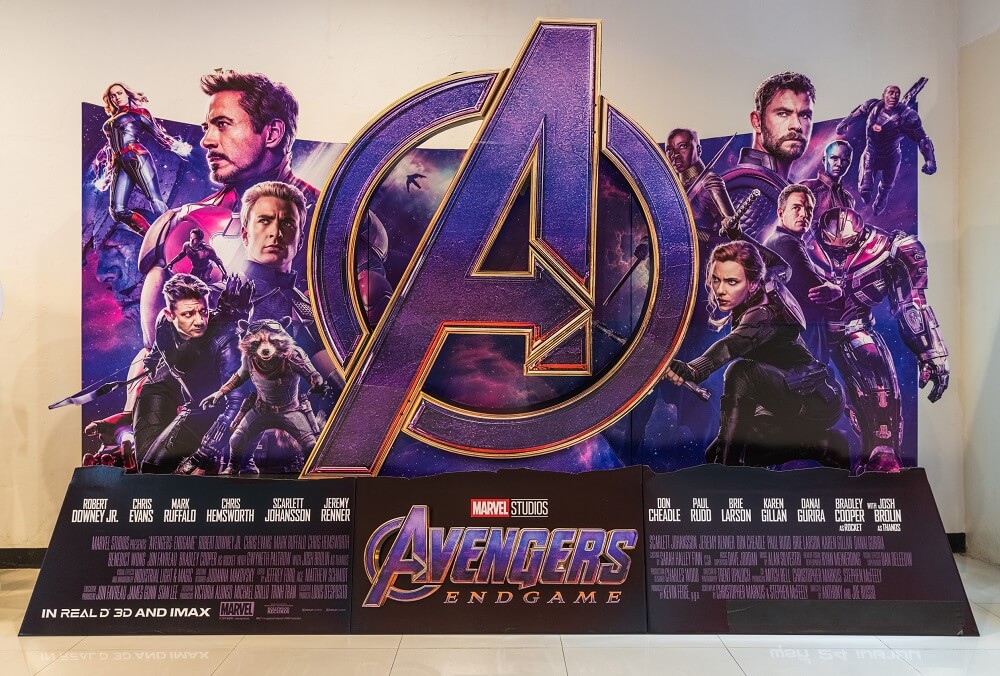
The company developed that idea with enormous skill. The Avengers made the connections feel worthwhile, and Avengers: Endgame delivered an emotional payoff that depended on years of shared history. The success of that approach established an industry-wide habit.
The post-credits scene became a sales appointment. The last minutes of a film started advertising an upcoming film, a surprise character, or a villain whose significance would be explained later. Every installment acquired a responsibility to prepare audiences for future releases.
Marvel made anticipation part of the product. Hollywood learned to treat anticipation as a renewable resource.
The Cinema Ticket Comes With Required Reading
WandaVision is a good television series with a powerful portrayal of grief. Its events feed directly into Wanda Maximoff’s role in Doctor Strange in the Multiverse of Madness. Elizabeth Olsen even described the series as essential to understanding the sequel.
That is a remarkable expectation to place on a movie audience. A character’s emotional journey is spread across formats, and the film inherits the consequences.
A cinema ticket now comes with the expectation that viewers understand character motivations, relationships, and dramatic developments established elsewhere. The audience arrives carrying information collected across several releases.
The franchise model keeps expanding the syllabus:
- A movie introduces the characters.
- A streaming series changes their circumstances.
- Another movie collects the consequences.
- A post-credits scene assigns the next chapter.
Four stages of storytelling can demand an extraordinary commitment from somebody interested in a single film.
Studios build release schedules around viewers with seemingly unlimited attention. Franchise participation consumes evenings, creates viewing commitments, and adds new entries to an entertainment backlog that already stretches into next year.
The industry has turned keeping up into part of the entertainment experience.
Star Wars Actually Put Part of Its Plot in Fortnite
The most revealing example arrived with Star Wars: The Rise of Skywalker in 2019.
Its opening crawl references a mysterious broadcast from Emperor Palpatine. The actual message was played during a limited-time Fortnite event ahead of the release. Lucasfilm’s own website acknowledges the connection.
Sit with that for a moment. A major story event in the ninth numbered Star Wars film received its dialogue in a multiplayer video game.
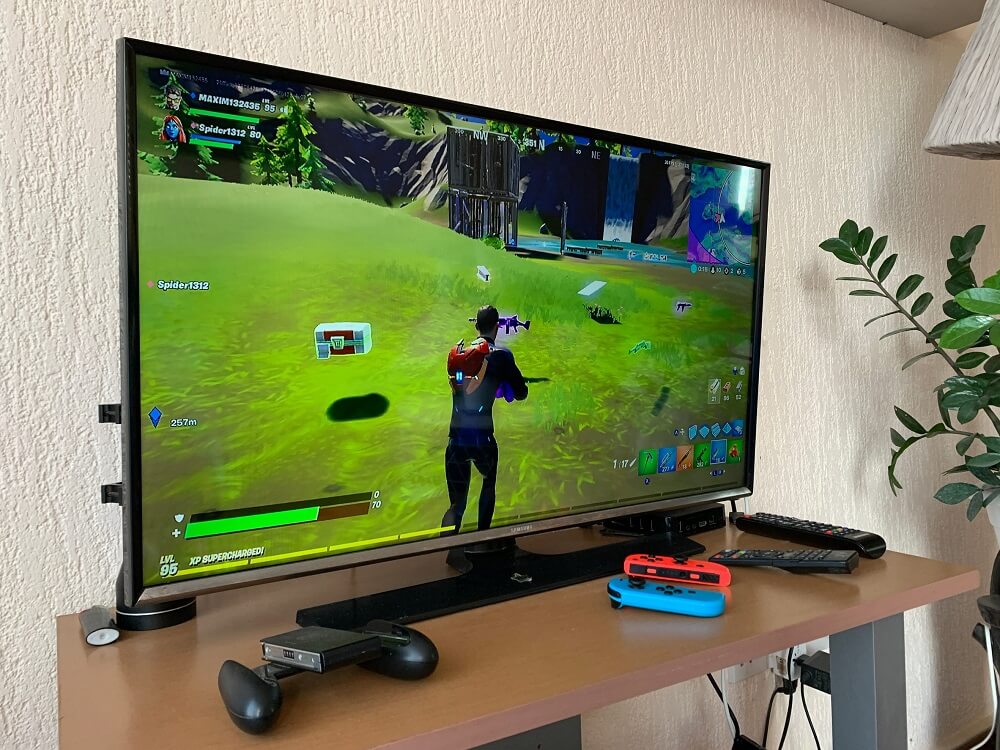
This is franchise thinking at its most self-satisfied. The fictional universe becomes an enormous promotional surface, and the audience is expected to appreciate how cleverly the pieces connect.
Dedicated fans can spend hours chasing every scrap of lore, exploring supplementary stories, and discussing the smallest details. That level of involvement has become a hobby of its own.
The Palpatine broadcast demonstrates just how far studios are willing to scatter their storytelling. Important fictional events become promotional opportunities across entirely different forms of entertainment.
A film’s narrative is increasingly treated as one component in a much larger distribution strategy. The fictional universe becomes a network of interconnected products, each carrying another fragment of the story.
Continuity Is a Subscription Strategy
There is a financial logic beneath all this. A studio with a valuable character can sell a movie ticket, a streaming subscription, merchandise, a video game collaboration, and whatever spin-off comes next. Every unresolved plot thread provides another reason to remain close to the brand.
Disney provides a textbook example. Its Disney+ Premium price increase took the US ad-free monthly subscription to $21.49 in October 2026. Marvel and Star Wars give viewers reasons to stay subscribed between theatrical releases.
Understanding a cinema release can now involve watching a streaming series. The ticket’s true cost expands into the monthly household entertainment budget.
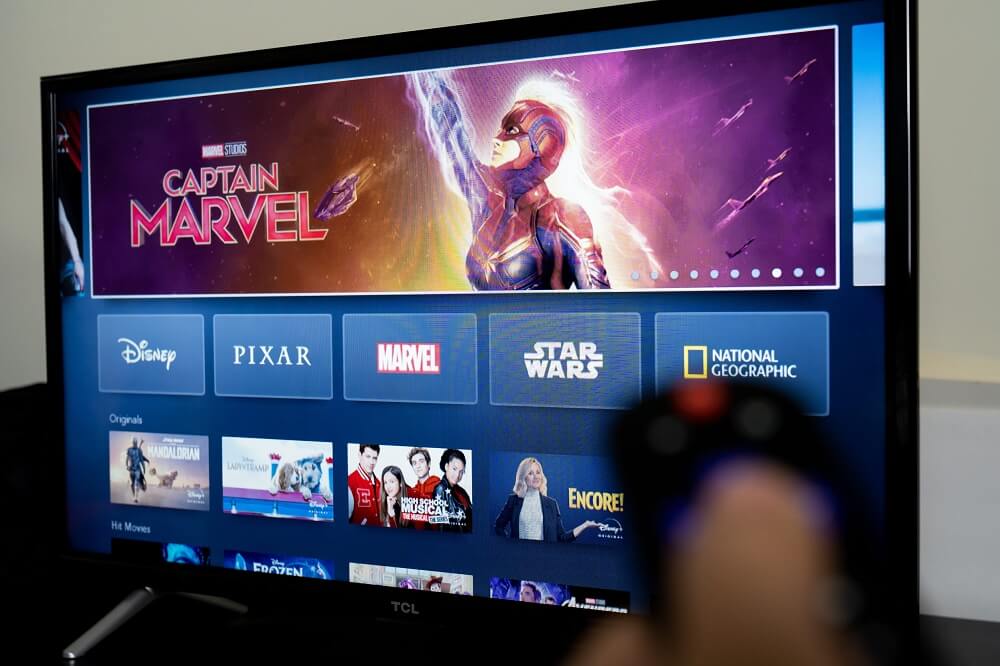
Streaming platforms benefit from continuous engagement. Film franchises increasingly resemble systems designed to keep people enrolled.
The demand for context has also created its own surrounding economy. Recap videos, timeline explainers, lore breakdowns, and theory channels thrive on YouTube, which has become a major force in television viewing. The film generates content about the film, often weeks before anybody gets to watch it.
Hollywood has become extraordinarily efficient at turning stories into sprawling commercial ecosystems. Every additional connection creates another opportunity to monetize the audience’s attention.
Continuity has become a customer retention mechanism with superheroes attached.
A Two-Hour Trailer Is a Bad Movie
My patience runs out when a film spends valuable screen time preparing the next release.
A character appears solely to trigger applause. A mysterious object gets introduced for a future installment. Dialogue hints at a crossover that barely relates to the current story. The credits roll, and the loudest online conversation revolves around the teaser.
The problem becomes especially obvious when the film’s biggest reveal exists to advertise somebody else’s upcoming project. A film has become a two-hour trailer with particularly expensive actors.
Consider Top Gun: Maverick. It arrives with decades of history behind it. Its central conflict is clear, its relationships have room to breathe, and its final action sequence resolves the stakes it established. Newcomers have a complete experience.
Its success demonstrates the enduring appeal of straightforward cinematic storytelling. A compelling protagonist, a well-constructed conflict, and a satisfying conclusion give an audience plenty to enjoy.
Every sequel and cinematic universe can aim for that level of storytelling. A worthwhile film develops its characters, establishes meaningful stakes, and brings its central dramatic journey to a satisfying conclusion.
I would happily follow a franchise for twenty years if the individual films kept earning that loyalty. Every installment has to justify the audience’s time through its own achievements.
Let the Movie Finish
A cinema ticket is a wonderfully simple transaction. I give a filmmaker a couple of hours. The filmmaker gets the chance to astonish, frighten, entertain, or move me.
The industry has surrounded that exchange with release calendars, phases, timelines, bonus episodes, and teaser scenes. We are encouraged to keep up, speculate, subscribe, and prepare.
I would like more filmmakers to rediscover the power of a proper ending. Let the villain lose. Let the hero make a consequential decision. Let the audience leave with something meaningful to discuss.
A satisfying conclusion can stay with viewers for years. Memorable characters, powerful scenes, and emotional payoffs generate the kind of enthusiasm that makes people revisit a story and recommend it to friends.
The best franchises earn long-term loyalty one film at a time. Each successful installment strengthens the audience’s attachment to the characters and creates genuine excitement about their future.
The next installment can earn its own ticket.