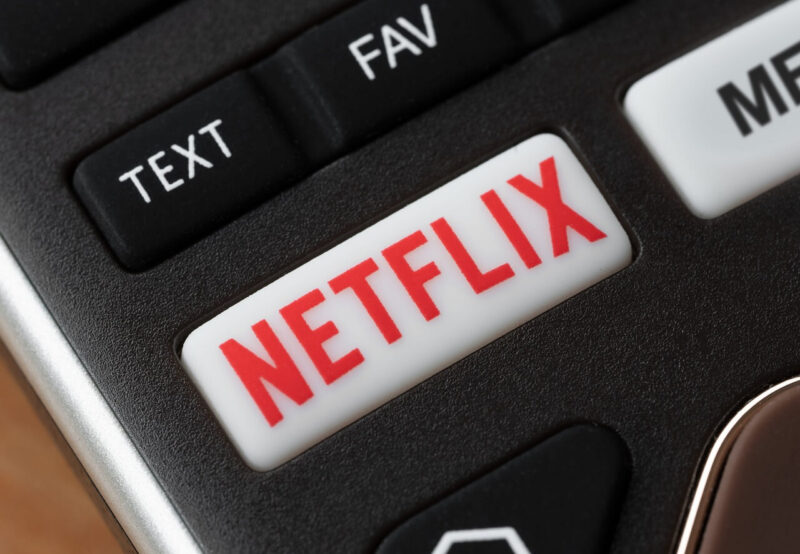
Pick up almost any modern smart TV remote, and you’ll probably find a Netflix button. It sits alongside the volume controls, power button, and other functions you actually need to operate your television. On some remotes, it gets a bright red logo. On others, Netflix shares space with Disney+, Prime Video, and YouTube.
It looks like a convenience feature. But there’s a business arrangement behind those branded shortcuts: streaming companies pay television manufacturers and platform operators for prominent placement.
I find the arrangement clever from a business perspective. I also think it’s one of the more obnoxious things television manufacturers have normalized. You buy the television, yet somebody else gets to decide which streaming services deserve permanent space on its controls.
And in many cases, you can’t even change their choices.
Netflix Started Putting Its Name on Remotes in 2011
The Netflix button isn’t particularly new. In January 2011, Netflix announced agreements with major electronics manufacturers to introduce dedicated shortcuts on remote controls. The participating companies included Samsung, Sony, Panasonic, Sharp, Toshiba, and several others.
At the time, Netflix was still establishing streaming as a mainstream alternative to DVDs and traditional television. Opening the application wasn’t always effortless. You might have needed to navigate several menus, find Netflix, and wait for it to load. A dedicated button removed those steps.
That sounds relatively unremarkable now, but it was an excellent distribution strategy. As I discussed in my article about Netflix’s original red-envelope business, the company has always understood the value of making entertainment an easy habit.
The remote button extended that thinking into physical hardware. Instead of relying entirely on television menus, Netflix secured a position directly under the viewer’s thumb.
Television Manufacturers Actually Sell These Buttons
The commercial arrangements aren’t some conspiracy hidden inside the electronics industry. The companies involved have described them publicly.
In its 2017 regulatory filing, Roku explicitly identified branded remote buttons as something it sells to content publishers. The purpose was to give streaming services more prominent placement and encourage viewers to open their applications.
Vizio described a similar arrangement in its 2021 annual report. It explained that content providers pay for dedicated shortcut buttons, with fees typically calculated for each device or separately packaged remote sold during an agreed period.
Individual contracts vary, and those disclosures don’t establish exactly what Netflix pays for every remote today. But they confirm the basic business model: the buttons aren’t simply design choices. They’re commercial inventory.
What really interests me is how naturally this has become part of selling consumer electronics. Manufacturers aren’t merely deciding which buttons make a remote useful. They’re also making those decisions through commercial partnerships, with little visibility for the person buying the device.
Why a Physical Shortcut Is Worth Paying For
Why would a streaming company care so much about a button? Because it can eliminate a decision.
Imagine sitting down to watch something after work. You haven’t decided which streaming service to open. You could browse your television’s home screen, compare recommendations, or search for a particular film. Or you could press the Netflix shortcut you’ve been using for years.
The button doesn’t have to make Netflix your favorite streaming service. It only has to make Netflix the first one you open.
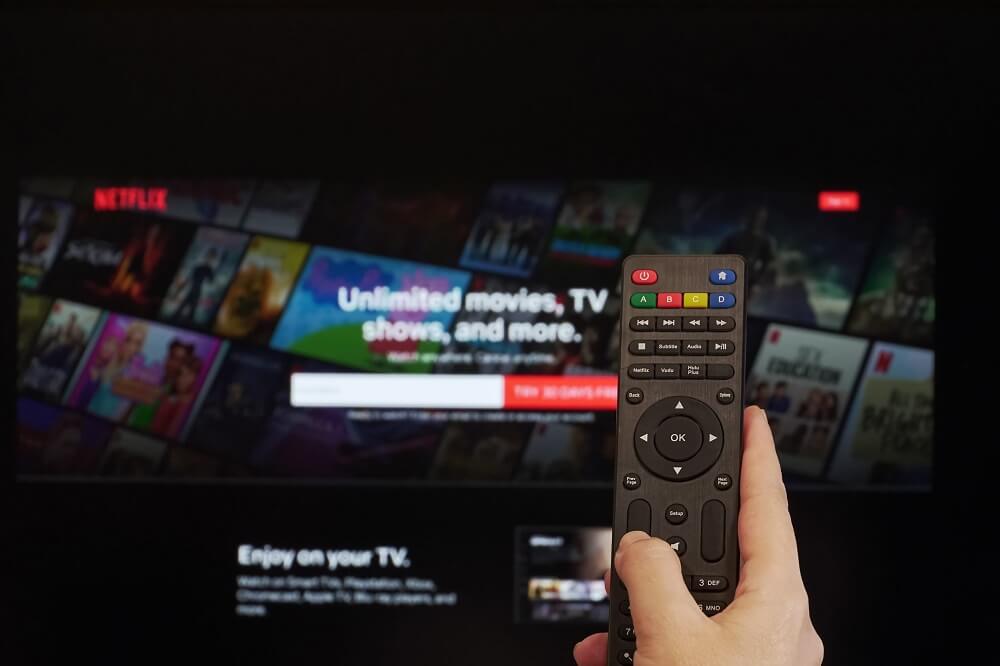
Once you’re inside the application, recommendations, autoplaying previews, and personalized suggestions can do the rest.
As we’ve covered in our look at YouTube’s dominance of television, the competition for viewers now extends well beyond traditional TV networks.
Every streaming platform wants a larger share of your attention. In that environment, being the easiest application to launch is a genuine competitive advantage.
I suspect most people underestimate just how much of their viewing behavior is shaped by convenience rather than conscious preference. A shortcut won’t make you love a terrible streaming service, but it might determine which one you check first.
The Worst Part Is That You Usually Can’t Change It
I don’t object to shortcut buttons themselves. They’re useful. I object to manufacturers making their choices unnecessarily permanent.
Researchers at RMIT University examined smart TV remotes from Samsung, LG, Sony, Hisense, and TCL in Australia. Their 2023 research report found that every remote in the sample included Netflix and Prime Video shortcuts.
More importantly, none of those manufacturers allowed users to deactivate or reprogram the branded shortcut buttons on the models examined. LG offered some customization through its number pad, but that didn’t mean users could reclaim the branded buttons.
That’s ridiculous. Think about how this plays out in everyday use:
- Cancel Netflix? The button stays, even though you no longer have a subscription.
- Switch to another streaming service? Your preferred application might require several menu selections while Netflix remains one press away.
- Keep your television for another seven years? You’re potentially stuck with a shortcut you stopped using years ago.
We’ve somehow accepted that the company making our television gets to choose permanent shortcuts based partly on commercial relationships rather than our preferences.
I can rearrange applications on my smartphone in seconds. Why should a television remote offer less control than a phone from fifteen years ago?
Popularity Doesn’t Make the Arrangement Fair
There’s an obvious defense of these buttons: people use Netflix. And that’s true.
In the same Australian research, 75% of surveyed smart TV users selected Netflix when asked which four application shortcuts they would want on their ideal remote. YouTube followed at 56%.
Those numbers suggest Netflix has earned its popularity. They don’t prove that viewers want the company permanently occupying a non-customizable button.
The research also revealed a more interesting problem. Local Australian services received far less prominent placement, even when viewers wanted them. ABC iview and SBS On Demand were popular choices in the survey, but dedicated buttons for local broadcasters were comparatively rare.
That raises a reasonable question about whose preferences determine which services get convenient access.
Major international streaming platforms have the resources and commercial relationships to negotiate prominent hardware placement. Smaller services may offer exactly what viewers want without receiving anything close to the same visibility.
And I don’t think the answer is to force every television manufacturer to add another twelve branded buttons. That would replace one problem with a remote that looks like the control panel of a passenger aircraft.
The answer is to let people choose.
Television Manufacturers Should Give Customers Their Buttons Back
Imagine buying a television with four customizable streaming shortcuts. During setup, the television asks which services you use most frequently. You select Netflix, YouTube, Disney+, and a local broadcaster, and the remote remembers your choices.
Six months later, you cancel Disney+ and subscribe to something else. You change the shortcut.
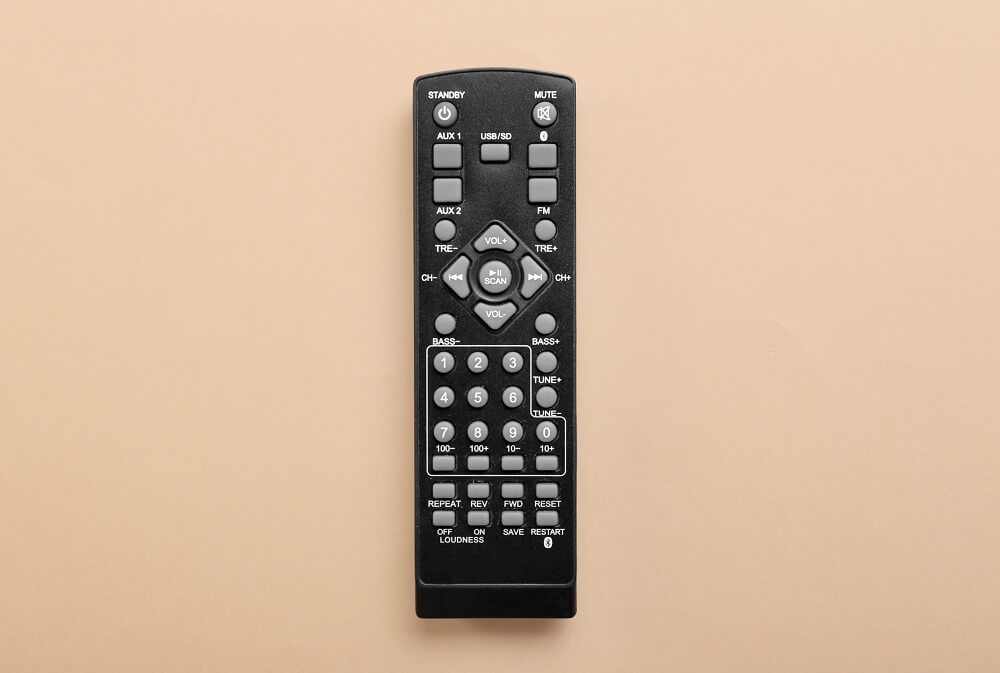
No complicated workaround, no unofficial button-remapping application, and no unnecessary restriction on hardware you own.
Television manufacturers could even continue offering sponsored shortcuts as defaults, provided users can change them. I wouldn’t particularly like that arrangement, but at least the customer would have the final say.
The current model gets the priorities backward. Manufacturers design features around commercial agreements and then expect consumers to adapt to them.
That shouldn’t be a controversial position.
The Netflix Button Is a Small Example of a Bigger Problem
The Netflix button isn’t going to ruin anyone’s evening. If you’re a subscriber, you might genuinely appreciate having it.
But that’s what makes the arrangement interesting. A useful feature can still reveal questionable priorities in product design.
The same concern applies to AI shopping bots that negotiate prices with retailers, especially if commercial partnerships influence which products their users see.
And I think this particular example says something unpleasant about the consumer electronics industry: manufacturers have become so comfortable monetizing every possible part of a product that even the buttons we press are up for negotiation.
I don’t expect companies to stop looking for additional revenue. I do expect them to recognize that customers should have meaningful control over the products they purchase.
Netflix can buy whatever promotional placements manufacturers are willing to sell. But once the remote is in my living room, my preferences should matter more than their contract.
I bought the remote. Let me decide what it opens.