
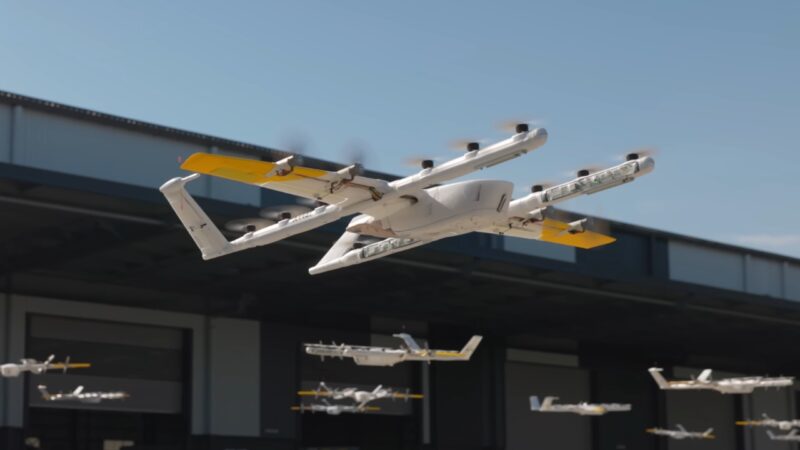
A town may dislike delivery drones, worry about noise, or object to a launch hub near homes.
What it generally cannot do is draw a boundary around the community and prohibit drone flights throughout the air above it.
There is an important legal qualification to that statement. Local governments are not forbidden from regulating anything that involves a drone.
The FAA says state and local rules aimed at aviation safety or managing the efficient use of airspace are preempted by federal law, while rules addressing traditional local concerns can remain valid if they do not interfere too heavily with lawful drone operations.
The agency explains that distinction in its guidance on state and municipal drone bans.
So the real question is not simply whether a town can regulate drones.
It is what exactly the town is trying to regulate.
That distinction becomes particularly important with delivery drones because every flight depends on something much more ordinary sitting on the ground: a launch site.
The FAA Controls Aviation Safety and Airspace
The federal government’s strongest authority begins with the aircraft itself.
The FAA regulates aviation safety, aircraft certification, pilot requirements, operational rules, and the use of national airspace. Commercial package-delivery operations also require federal authorization.
Under the FAA’s package delivery framework, operators conducting these services generally use the Part 135 air-carrier certification process and need the appropriate exemptions, waivers, and airspace authorizations.
A town therefore cannot simply write its own competing flight code.
A local ordinance telling drones which altitude to use, creating municipal drone routes, imposing its own pilot-safety requirements, or establishing a local air-traffic system would move directly into areas the FAA says are federally controlled.
That makes practical sense to me. Imagine a delivery drone crossing five municipalities and encountering five different altitude rules.
A national aviation system becomes very difficult to operate if every town can redesign the flight rules at its border.
Yet federal authority does not erase every state or local law that affects a drone.
Not Every Local Restriction Is Automatically Invalid

The FAA’s 2023 preemption guidance is useful because it draws a more precise line than the usual “federal sky, local ground” shorthand.
Under the FAA’s preemption framework, state and local governments generally cannot regulate aviation safety or airspace efficiency.
A rule outside those areas can still be preempted if it conflicts with federal requirements or interferes enough with the reasonable use of the airspace.
On the other hand, laws dealing with matters such as zoning, land use, privacy, trespass, harassment, reckless endangerment, and similar traditional police powers are much more likely to survive.
Even that is not absolute.
The FAA gives a useful example. A privacy law banning drones over an entire city would very likely create a preemption problem because drones could no longer meaningfully cross the city.
A narrowly targeted privacy restriction at low altitude around a place such as a school or park could be much easier to defend if drones can still pass overhead at a reasonable altitude.
I think that distinction matters because it prevents the legal discussion from becoming too simplistic. A town does not get unlimited control just because it calls a rule a privacy ordinance.
Federal law looks at what the rule actually does.
The Courts Have Focused on That Practical Effect
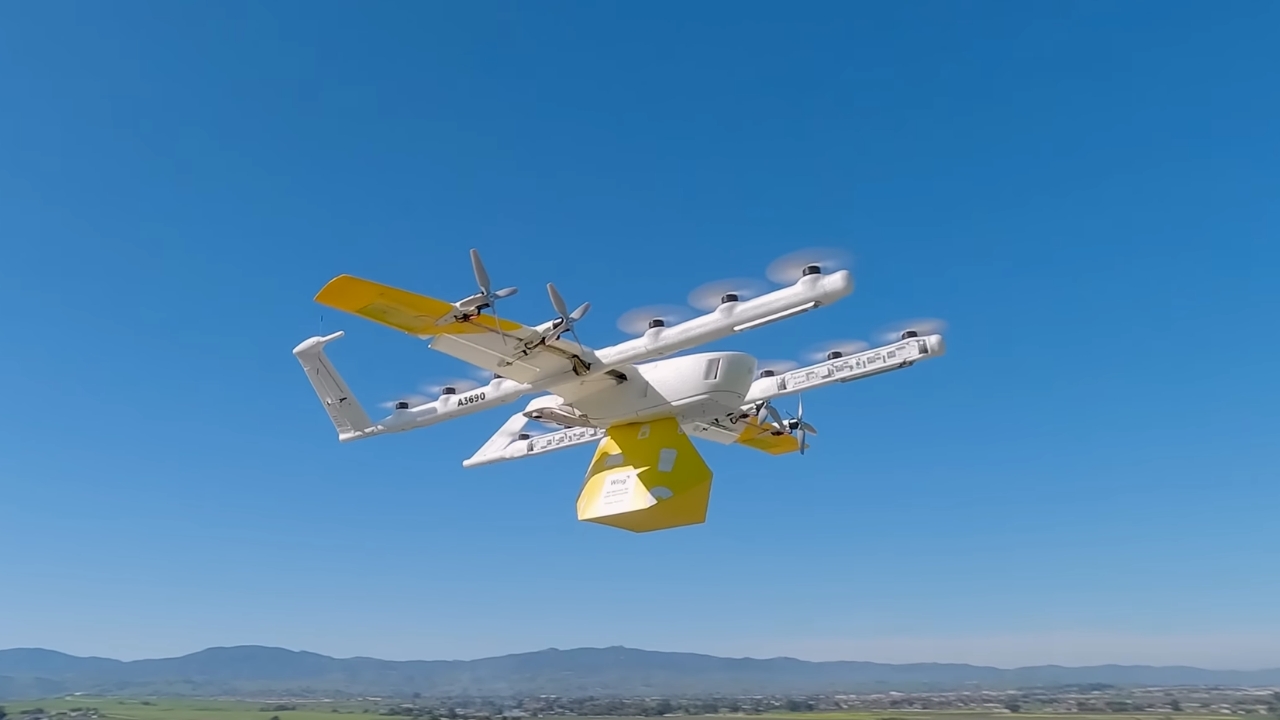
The 2017 case Singer v. City of Newton is a good example.
Newton, Massachusetts, required permission before drones could fly below 400 feet over private property and also restricted flights over city property.
In the Singer court decision, a federal district judge held several provisions preempted because, together, they effectively eliminated meaningful drone operations across the city and conflicted with the federal system.
That ruling did not say every part of every municipal drone ordinance is invalid. In fact, portions of Newton’s ordinance that were not challenged remained standing.
A similar issue arose in Lodi, New Jersey, in 2026. In ruling on a motion to dismiss, the federal district court concluded that an ordinance restricting drone flights below 400 feet across extensive residential, commercial, road, park, and public-property areas raised both field- and conflict-preemption problems.
The Lodi court opinion emphasized the practical result: the covered areas were so extensive that the ordinance functioned much like a borough-wide ban.
That procedural detail matters. A district-court decision in one case is not a nationwide rule declaring every municipal drone ordinance unlawful.
The stronger lesson is narrower: local governments run into trouble when their rules begin dictating aviation safety, flight paths, altitude, or effectively preventing federally permitted use of the airspace.
Takeoff and Landing Are on Firmer Local Ground
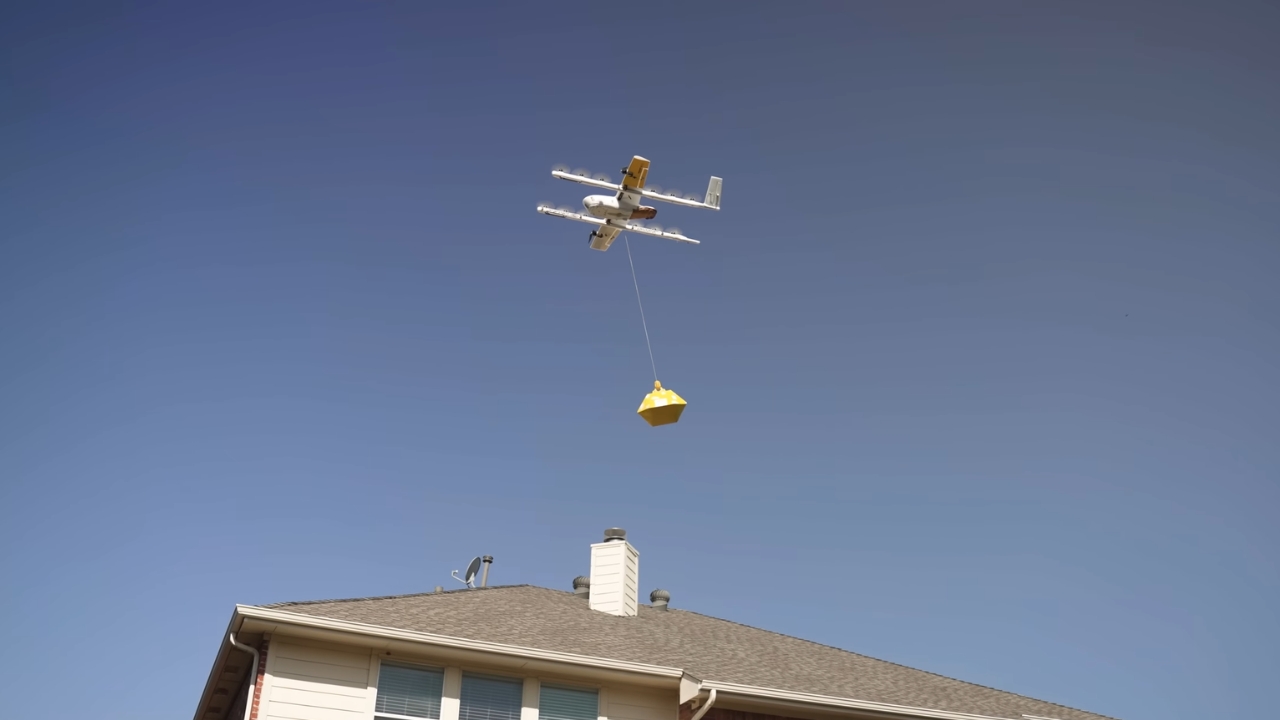
Where towns have considerably clearer authority is the physical property from which drones operate.
The FAA’s own guidance on local restrictions distinguishes controlling access to property from controlling the airspace above it.
A government or property owner can generally restrict where drones take off or land on property it controls without thereby acquiring authority to prohibit lawful flights overhead.
The FAA’s 2023 fact sheet goes further and specifically lists laws regulating the locations of drone takeoff and landing areas among measures that are likely not to be subject to federal field or conflict preemption.
That is a meaningful local power. A delivery network needs much more than empty air. It needs locations where drones can:
- take off and land;
- receive and load packages;
- charge or exchange batteries;
- undergo maintenance;
- connect with operating systems;
- remain stored between flights.
A drone might cross a neighborhood in seconds. A launch hub could operate there every day for years.
A network of local hubs also determines where drone delivery is available, even within cities that already have active services.
For residents, that difference is substantial.
Zoning Authority Is Real, but It Is Not Unlimited
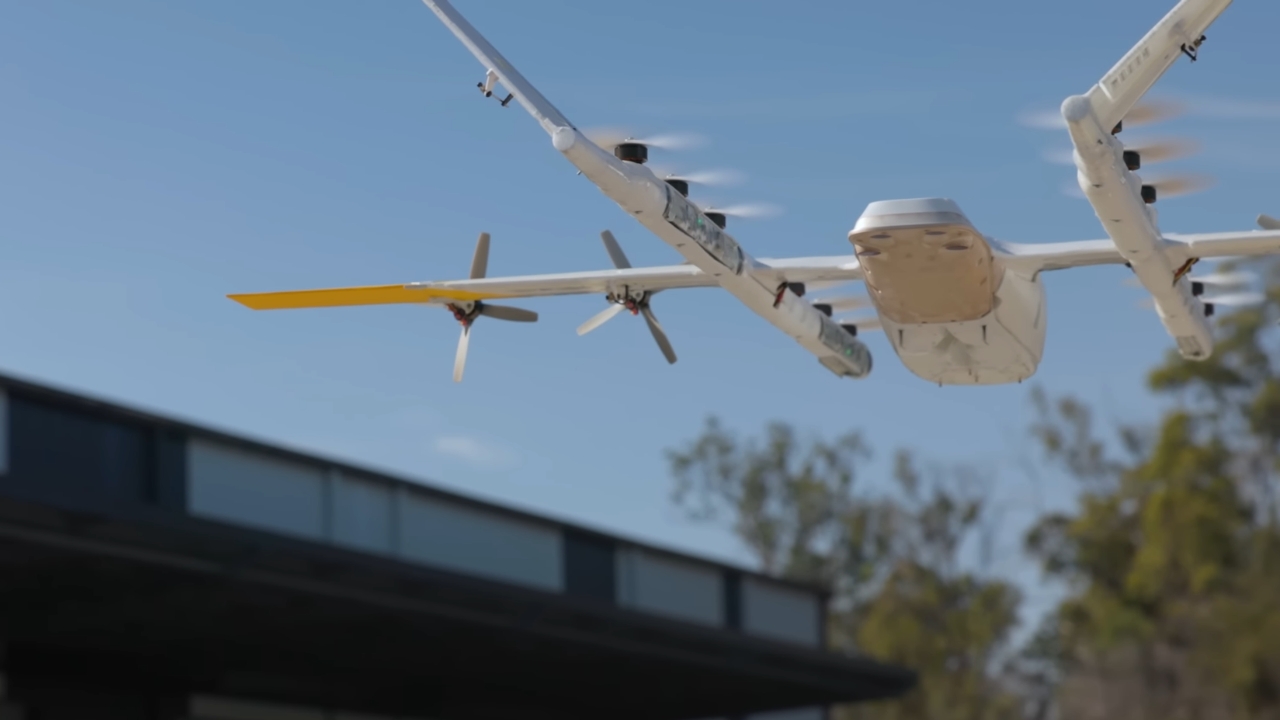
The FAA expects delivery companies to comply with applicable local land-use and zoning requirements.
Operators select their own hub locations, and the agency says they may need local approvals before establishing them.
That gives municipalities room to ask ordinary planning questions.
- Is this type of facility permitted in the zoning district?
- How close will the launch area be to homes?
- What structures or equipment will be installed?
- What hours will the site operate?
- Will lighting, vehicle traffic, or noise change?
- Are setbacks or other site requirements applicable?
None of that necessarily regulates the aircraft’s route once it is airborne.
Still, I would not describe zoning as a legal loophole that lets a town accomplish indirectly what it cannot accomplish directly.
If a zoning rule were written or applied so broadly that its practical effect was to prevent drone operations throughout a municipality, a company could argue that the rule interferes with federal aviation objectives.
Commercial delivery services create another layer.
The FAA notes that the federal Airline Deregulation Act can preempt state or local laws that relate to the prices, routes, or services of an air carrier with the relevant federal economic authority, including when a rule has a significant effect on those routes or services.
That means a traditional land-use decision involving one proposed hub is not legally identical to a municipality creating a zoning regime whose effect is to make commercial delivery service impossible everywhere in town.
Where that boundary falls can depend heavily on the exact ordinance and the particular operation.
Property Rights Do Not Create a 400-Foot Private No-Fly Zone
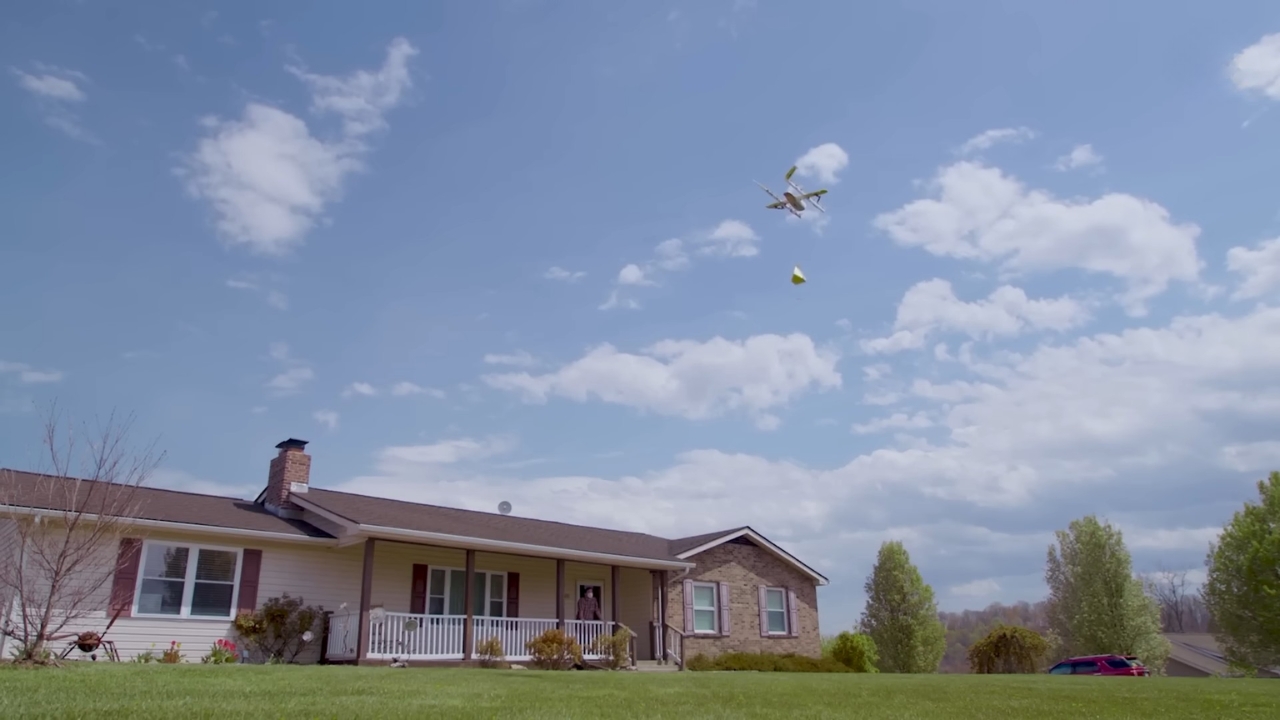
Another point deserves clarification because it is easy to misunderstand.
A property owner does not automatically receive an absolute veto over every drone passing anywhere below 400 feet above the property.
The FAA’s guidance does recognize room for state and local laws addressing drones operating in the “immediate reaches” of property when those operations substantially interfere with the owner’s actual use and enjoyment of that property.
That is much narrower than saying every homeowner owns a block of drone-free air hundreds of feet high.
Privacy, nuisance, trespass, and property law can still matter. They simply do not automatically become a replacement air-traffic-control system.
Hub Location Could Become the Bigger Local Fight
View this post on Instagram
This legal split becomes easier to appreciate once delivery volumes increase.
Recent FAA environmental reviews include Amazon Prime Air proposals for facilities capable of up to roughly 1,000 delivery flights per operating day, with some proposed operating windows running from 6:00 a.m. until 10:30 p.m.
At that scale, the location of the hub is not a minor detail.
A site beside a warehouse in an industrial area and a site near a residential neighborhood can produce very different effects even when exactly the same drone is used.
The expansion of drone delivery in Charlotte offers a real example, with Lowe’s using its Matthews store as a launch point for small home-improvement orders.
Noise is the most obvious example. One drone crossing overhead occasionally is different from hundreds of departures and arrivals concentrated around the same property.
That is why I think local arguments will increasingly focus on infrastructure rather than abstract arguments about whether drones should exist at all.
The technology can work perfectly and still create a difficult land-use question.
The Legal Line Is More Complicated Than “Federal vs. Local”
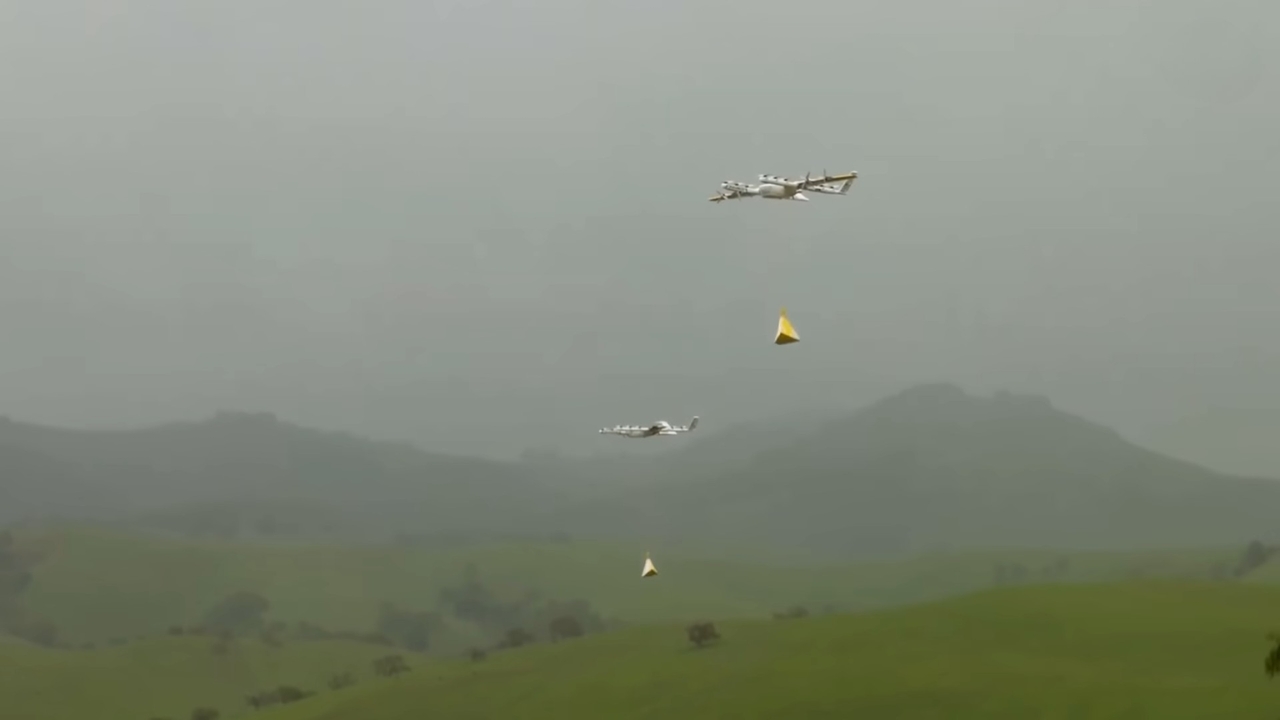
The cleanest summary is not that Washington controls everything in the air and towns control everything on the ground.
The actual division is more conditional.
Federal law dominates aviation safety and management of the national airspace. Local governments generally cannot create their own flight-altitude systems, aviation-safety standards, pilot rules, or broad prohibitions that effectively prevent lawful drone operations.
States and municipalities retain important traditional powers. Land use, zoning, privacy, trespass, property access, and the location of takeoff and landing facilities can remain legitimate subjects of local regulation.
Those local powers still have limits. A rule can become preempted if it conflicts with federal regulation, substantially interferes with reasonable use of the airspace, or, for certain commercial air carriers, significantly affects federally protected prices, routes, or services.
To me, that makes the coming arguments over delivery drones much more interesting than a simple fight over whether a town is “for” or “against” the technology.
A municipality may be unable to shut the sky over its borders.
It can still have a serious argument about where hundreds of flights a day begin and end.
And in practice, where the drones live may matter to residents just as much as where they fly.